

Podcasts

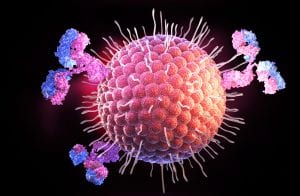
Podcast: Sepsis, a worldwide problem crying out for a solution
Dr Jakki Cooney, co-founder of UL spinout Cala Medical, based in the Nexus Innovation

In Ireland, only 30% of women and 45% of men over 65 remain disability-free for life1. Dramatic changes in cells start in our 30s, while in our 40s, health and functionality are impacted by increasing weight gain, decreasing bone density and loss or weakening of muscle. People with low lean tissue or muscle mass are classified as sarcopenic. Conservative estimates predict that the incidence of sarcopenia will increase by 50% over the next 30 years, making it a major public health issue among Ireland’s increasing older population.
Research at the University of Limerick focuses on the preservation of muscle mass during aging and provides evidence that sarcopenia can be offset by modifications to dietary habits. The research team have demonstrated that optimising the quality and timing of total daily protein intake decreases age-related loss of muscle mass. In addition, the team have collaborated with industry to commercialise nutrient supports that reduce age-related loss of muscle mass. This research has the potential to not only improve quality of life for seniors, but also has significant economic implications The direct healthcare cost attributable to sarcopaenia in the United States in 2000 was at $18.5 billion and the condition is estimated to affect over 200 million people globally by 2050.2
Underpinning research:
Society is aware of obesity as an increasing health concern. As defined by the World Health Organisation (WHO), obesity is an abnormal or excessive fat accumulation that may impair health. A 40-year-old person with normal body mass index (BMI) who gains approximately 1.2 kg per year will progress to obesity by 70 years of age. What remains largely unknown to the public is that from the fourth decade of life onwards a commensurate loss of muscle mass occurs (approximately 0.5-1kg annually, as indicated by body composition data) (Ref 1). This undetected loss of muscle mass will exacerbate any gain in fat mass.
Key areas of focus for the research include determinations of daily protein requirements and the optimal protein intake at meals. In order to advance our understanding of how nutrition and physical activity interact to regulate muscle mass and offset the age-associated decline in strength and functionality, the research team outlined a number of objectives:
identify modifiable nutrition behaviours that offset age-related loss of muscle mass;
employ cell-based studies of muscle tissue to test how protein and other nutrients present following digestion and absorption in the circulation, influence muscle protein synthesis and regulate muscle mass;
develop a nutrient support to reduce age-related loss of muscle mass, tested this in healthy elderly populations and demonstrated positive outcomes in the preservation of lean tissue mass and improved functionality;
educate health care professionals on these modifiable lifestyle factors with the intention of changing clinical, dietary and healthcare guidelines;
work with industry to make nutrient supports affordable and accessible.
Current dietary recommendations for protein intake pay little attention to the nuances of protein type (animal or vegetable), quality (amino acid content), or timing of consumption. Rather, current recommendations focus on a set daily quantity of protein (0.8 g/kg body mass) (Otten et al. 2006)3. The UL Research team hypothesised that apportioning total daily protein intakes across different eating occasions throughout the day, and improving the protein quality could have significant bearing on the preservation of muscle mass in aging.
The first phase of this research investigated the functionality of proteins found in dairy products and their derivatives or hydrolysates of these proteins, to enhance skeletal muscle protein synthesis (Ref 2-9). This enabled the team to formulate a milk protein matrix supplement for optimal protein composition and intake in older adult men and women (Ref 10). A randomised, controlled clinical trial (RTC) in older men and women confirmed the efficacy of the approach, resulting in a mean increase in lean tissue mass of +0.6kg, ameliorating the age-related decline in lean tissue mass (Ref 11). A parallel RCT demonstrated an enhanced effect (mean change of + 0.9kg) when the nutritional intervention was combined with moderate, resistance-based exercise (Refs 12 & 13).
With the help of the Food for Health Ireland initiative4, the research team created an innovative partnership between the University of Limerick and the dairy industry. This partnership enabled the team to take the first step toward testing their hypothesis, by developing the milk protein matrix that would serve as the basis for a meal-based supplement to counteract the effects of sarcopenia. A distinct contribution to the design and composition of this milk protein matrix was delivered through the implementation of innovative methods for the determination of protein bioactivity in humans. The novelty and inventiveness of this step of our research was recognised by the filing of a European Patent (Ref 15).
A randomised, placebo controlled clinical trial (RCT) was conducted to determine the effect of the supplementing the milk protein matrix in the overall context of the participants’ habitual daily and meal-level food intake. Participants in the treatment group consumed the milk-based protein supplement the two meals contributing lesser amounts of protein, i.e. breakfast and lunch. The control group was provided with an energy equivalent compound that lacked the biological activity of the supplement. After six months of consuming the supplement or control substance twice daily, comparison of lean mass revealed that those taking the control lost muscle mass as anticipated. Those compliant with the supplement protocol not only succeeded in attenuating losses of muscle, but actually accrued muscle mass.
In brief, timing of ingestion and protein quality (bioactivity) was optimised for participants in the study. In an ecologically valid setting, with subjects who were compliant with the current dietary recommendations for daily protein intake, the research team demonstrated that the quality and timing of protein intake per meal decreased age-related loss of muscle mass. Our research advanced the current recommended daily allowance (RDA) for protein (0.8 g/kg body mass daily) by demonstrating that dietary proteins have different levels of bioactivity.

Research Publications
Research grants
Enterprise Ireland support to National Technology Centre, Food For Health Ireland, 2010-2013, Nutrient support for age-related sarcopenia, Jakeman P, €455,000
Enterprise Ireland support to National Technology Centre, Food For Health Ireland (FHI), 2013-2018, Nutrient Support to Healthy Ageing and Performance Nutrition (HAPN), Jakeman P, Keily P, Carson B, FitzGerald RJ, Norton C, €1,961,086.
Details of the impact
This research has impacts on many levels, impacts on patients (Source 2 & 3), on healthcare practice (Source 4), and research methods (bioactivity in human subjects), commercialisation and R&D growth (Source 1)
The most important beneficiaries of the research and its commercialisation are the end users: Ireland’s aging population. The dietary supplement developed as part of our research can have significant impact on the general population by supporting healthy, active aging. The feedback from the human trial participants is very positive. “I became aware of how important it was to maintain/increase my lean tissue mass as this is linked to mobility, functionality and general health” and “It was rewarding to discover that after a recent DXA scan at UL my lean tissue mass had improved.” Aileen, Human Trial Participant, (Source 3)
In addition, based on preliminary dissemination (Source 3-6), dietitians working in clinical or community settings are effecting changes in current practice. “The evidence presented (by the UL research team) for optimal apportioning of daily protein intakes has given rise to many discussions and informs how we aim to provide nutrition support to patients groups at risk or showing evidence of muscle wasting conditions. We hope to continue our associations with the university in advancing research informed clinical practice to achieve better outcomes for our patients.” Sheila Bowers, Dietitian Manager at University Hospital Limerick (Source 4).
This research is part of a broader programme of work funded by Food for Health Ireland (FHI). Supported by Enterprise Ireland, FHI links the scientific expertise of researchers at third level institutions with the marketing power of industry partners Irish Dairy Board, Carbery Group, Dairygold Food Ingredients Ltd., Glanbia plc and Kerry Group plc. The goal of FHI is to improve health, wellness and quality of life through world-class innovation in food. Through an intelligent milk-mining programme and an extensive bioassay screening platform, FHI searches for ingredients that promote infant development, help to control weight and related health issues, boost immunity or support healthy aging. Age-related changes in skeletal muscle, influenced by reduced levels of physical activity and malnutrition, can lead to frailty, disability and loss of independence in older adults. As stated above, this has far-reaching public health implications; FHI is working towards a nutritional solution for healthy aging. The FHI Healthy Aging work package involved extensive assessment of body composition, physical activity and functionality and in vivo testing of bioactive compounds.
The success of this research in terms of knowledge transfer has led to further investment from the FHI programme (Source 1). This investment benefits the wider partners across the dairy industry, national technology centre and academic institutions.
The outcomes of the research have been disseminated through high-impact journal publications. The research has also featured in trade articles for the Food Industry, the Food for Health Ireland website (www.FHI.ie), and the general media (Source 5-8). The outcome of the clinical trial was first presented on the international stage at the Nutrition Society’s Symposium ‘Sarcopenia and Cachexia’ at the Royal College of Surgeons, London, December 2014. This was followed by further presentations to the Nutrition Society and an invited contribution at the Irish Nutrition & Dietetic Institute Symposium ‘Body Weight & Body Composition Throughout the Life Cycle’ (under the auspices of IrESPEN).

Dr Jakki Cooney, co-founder of UL spinout Cala Medical, based in the Nexus Innovation
Researchers at the University of Limerick are developing skills in interdisciplinary working and using this

In Ireland, only 30% of women and 45% of men over 65 remain disability-free for