


Podcasts

Podcast: Sepsis, a worldwide problem crying out for a solution
Dr Jakki Cooney, co-founder of UL spinout Cala Medical, based in the Nexus Innovation

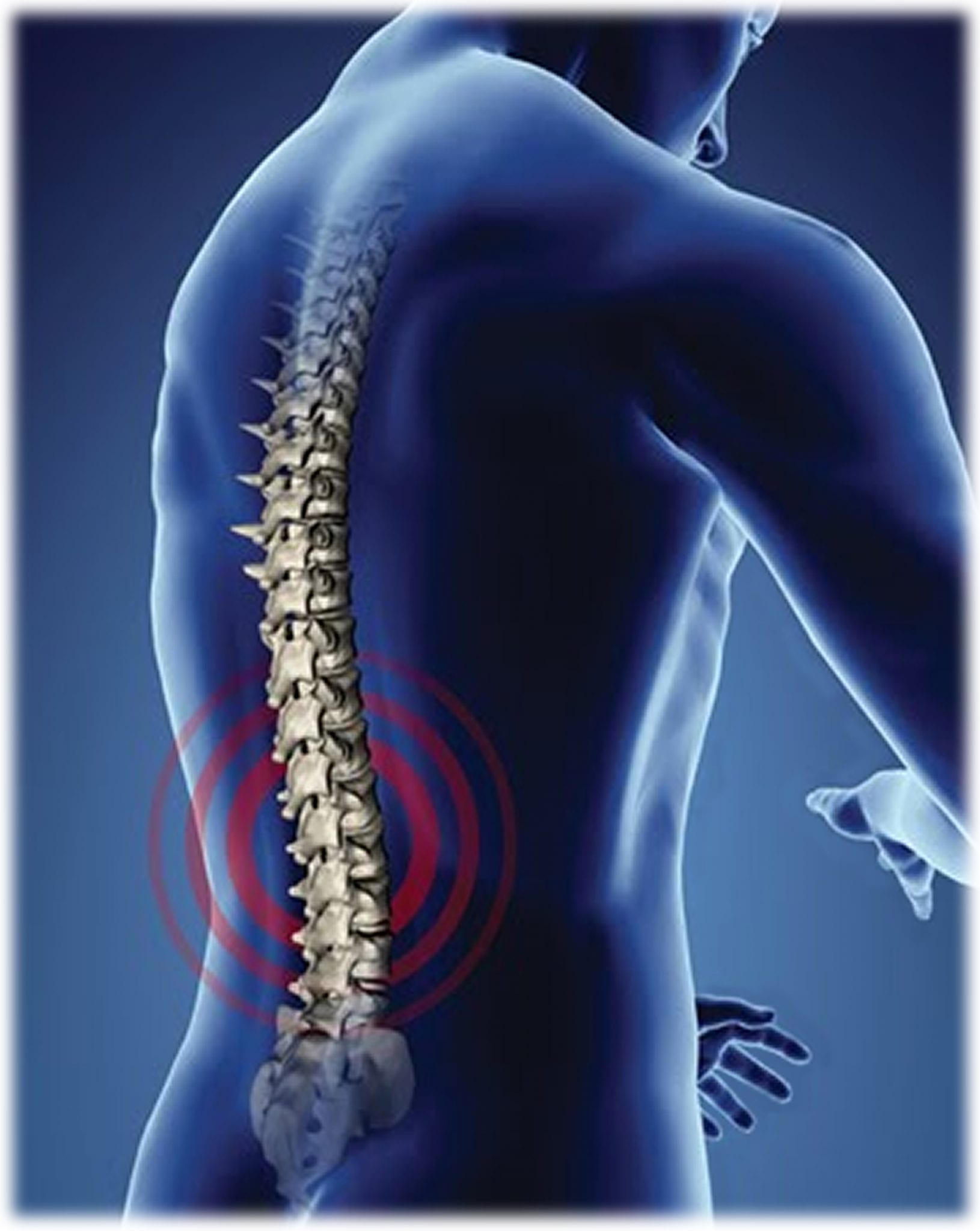
Musculoskeletal conditions* (MSCs) are the primary cause of work absence in Ireland with an estimated direct cost to the economy of €750 million (Arthritis Ireland 2009). The management of MSCs focuses on keeping people at work and participating in society. Management of MSCs is often hindered by beliefs and practices of healthcare professionals and the public, which are not in line with best evidence.
MSC researchers in University of Limerick’s (UL) Department of Clinical Therapies have had a direct impact on the management of MSCs by influencing (1) healthcare policy, (2) healthcare practice and (3) public perceptions about MSCs.
UL’s research is based on a range of methodologies applied in different settings, and has been disseminated using various media including professional development training courses, online resources, public lectures and workshops. The impact of the research has spread through direct engagement with healthcare professionals and members of the public reporting MSCs.
*Musculoskeletal conditions (MSCs) affect the body’s bones, joints, muscles and the tissues that connect them. Common MSCs include back pain, rheumatoid arthritis, osteoarthritis, osteoporosis, and spinal disorders.
Underpinning research
In the past decade, UL researchers have undertaken several related studies with three aims: 1) to enhance the understanding of how pain is experienced by people with MSCs; 2) to identify the factors that contribute to disability and activity in people with MSCs; and 3) to explore new treatments that can enhance the lives of people with MSCs. These studies, using both qualitative and quantitative approaches to enhance the understanding of disability and health in MSCs, have created a strong evidence base for dissemination activities that have impacted both policy and practice.
Researchers in the Department of Clinical Therapies have completed a number of systematic reviews, which have been published in high impact peer-reviewed journals. Some of these reviews have examined the relationship between physical factors and injury/disability among people with MSCs (Refs 1 to 3); others have gauged the effectiveness of interventions commonly used in the management of MSCs (Refs 3 and 4). To ensure accurate measurement of treatment outcomes, laboratory- and field-based studies have evaluated the validity, utility and acceptability of novel diagnostic and monitoring technologies in clinical populations (Ref 5). Finally, qualitative research has identified discourses used by people with chronic pain in describing their experiences of living with such pain, and considered the consequences of these discourses for practice (for both sufferers and clinicians) (Ref 6).
Many of our research findings have had a significant impact. Ref 1 has been discussed more than 94% of articles in Web of Science. Ref 3 has been discussed more than 89% of articles on the same source; in addition it received a prize for best musculoskeletal research publication from the Irish Society of Chartered Physiotherapists (ISCP). Ref 4 has been discussed more than 98% of articles in Web of Science and has had over 11,000 downloads (http://bjsm.bmj.com/articleusage?rid=bjsports-2011-090835v1), and was shortlisted as one of the best reviews in 2013 by the prestigious British Journal of Sports Medicine (http://blogs.bmj.com/bjsm/2013/11/14/official-announcement-jl-kemp-and-co-authors-win-201213-bjsm-systematic-review-award).

Research references
1. Griffin, D., Harmon, D. and Kennedy, N. (2012), ‘Do patients with chronic low back pain have an altered level and/or pattern of physical activity compared to healthy individuals? A systematic review of the literature’, Physiotherapy, 98(1): 13-23
2. McCreesh, K.M., Crotty, J.M. and Lewis, J.S. (2014), ‘Acromiohumeral distance measurement in rotator cuff tendinopathy: is there a reliable, clinically applicable method?’ British Journal of Sports Medicine, doi:10.1136/bjsports-2012-092063
3. O’Sullivan, K., O’Keeffe, M., O’Sullivan, L., O’Sullivan, P. and Dankaerts, W. (2012), ‘The Effect of Dynamic Sitting on The Prevention and Management of Low Back Pain and Low Back Discomfort: A Systematic Review’, Ergonomics, 55(8): 898-908
4. O’Sullivan, K., McAuliffe, S. and DeBurca, N. (2012), ‘The effects of eccentric training on lower limb flexibility: A systematic review’, British Journal of Sports Medicine, 46(12): 838-45
5. Tierney, M., Fraser, A., Purtill, H., and Kennedy, N. (2013), ‘A study to determine the criterion validity of the SenseWear Armband as a measure of physical activity in people with rheumatoid arthritis’, Arthritis Care and Research, 65(6): 888-895
6. Robinson, K., Kennedy, N. and Harmon, D. (2013), ‘Constructing the experience of chronic pain through discourse’, Scandinavian Journal of Occupational Therapy, 20(2): 93-100
Research Awards
(lead institutions)
1. McCreesh, K. Rotator cuff tendinopathy: an investigation of clinical and diagnostic ultrasound parameters before, during and after a structured exercise programme. Funded by Health Research Board, Research Training Fellowships for Healthcare Professionals. 2011 -2014: €215,382
2. O’Sullivan, K. Towards the validation of a remote monitoring and training device for chronic low back pain in an occupational setting. Funded by Health Research Board, Research Training Fellowships for Healthcare Professionals. 2010-2012: €214,471
3. Robinson, K. Developing Occupational Therapy Services for People with Chronic Pain. Funded by Health Research Board, Research Training Fellowships for Healthcare Professionals. 2010 -2012: €130,000
4. Robinson, K. Developing Occupational Therapy Services for People with Chronic Pain. Funded by Health Research Board, Knowledge Exchange and Dissemination Scheme. 2013: €12,600
5. O’Sullivan, K. Development of an online platform to disseminate information about chronic pain. Funded by Health Research Board, Knowledge Exchange and Dissemination Scheme. 2013: €20,300
6. McCreesh, K. Rotator cuff tendinopathy: an investigation of clinical and diagnostic ultrasound parameters before, during and after a structured exercise programme. Funded by Health Research Board, Knowledge Exchange and Dissemination Scheme. 2013: €20,000
7. Kennedy, N. The impact of a novel low back pain programme on disability levels in people with chronic low back pain: a randomised study. Irish Research Council Postgraduate Scholarships. 2012: €72,000
8. Kennedy, N. Physical activity and inflammatory markers in rheumatoid arthritis co-funded by Intel. Funded by Irish Research Council Postgraduate Scholarships. 2009: €72,000
9. Kennedy, N. Physical activity and psychological correlates in chronic low back pain. Funded by Irish Research Council Postgraduate Scholarships. 2008: €72,000
10. Robinson, K. Working with arthritis: Strategies and Solutions. Funded by EU Social Fund/Department of Social Protection/Pobal. 2013: €431,712
Impact on policy
Our research has brought about change in the management of orthopaedic and rheumatology waiting lists in the Health Service Executive (HSE).
Based on her expertise as a researcher in MSCs, Dr. Norelee Kennedy was invited to sit on two policy advisory groups: the national Rheumatology Advisory Group in 2007, and the Health Service Executive National Care Programme for Rheumatology in 2010. In 2011, as a member of the HSE National Care Programme, she co-led the development of a business case for the establishment of 24 specialist MSK physiotherapy posts established in 12 HSE hospitals in Ireland. These specialised posts have been implemented; they are successfully triaging and thus dramatically reducing (from the original 33,000) the number of people on orthopaedic and rheumatology waiting lists nationwide. In addition, the HSE plans to develop interface clinics for enhanced patient care. “As an expert physiotherapy researcher in the area of arthritis and as the physiotherapy representative on the HSE Rheumatology Clinical Care Programme, Dr. Norelee Kennedy was instrumental in preparing the business case for the National MSK triage initiative. This “first-of-its-kind” initiative employing 24 advanced practice physiotherapists is successfully operational in 12 HSE hospitals sites in Ireland with currently >22,000 patients removed from hospital waiting lists” (Source 1).
Impact on practice
UL researchers have delivered training courses on best practice management of common MSCs (low back pain, shoulder pain, rheumatoid arthritis, chronic pain) to more than 1,000 physiotherapists and occupational therapists across Ireland and internationally. Two members of the group, Kieran O’Sullivan and Karen McCreesh, were invited by the musculoskeletal clinical interest group of the ISCP to design postgraduate training programmes on chronic spinal pain for Irish physiotherapists, which they have delivered several times in the past 10 years.
“Kieran O’Sullivan has provided a number of excellent workshops and presentations for the ISCP. His work is always insightful, relevant and extremely applicable to modern musculoskeletal practice” (Source 2).
“Kieran’s course provided an intelligent and surprisingly simple way of looking at demystifying the dreaded complex chronic low back pain patient! It has changed the way I have assessed and treated patients for the better!” (Source 3).
“Karen’s course was highly informative and clinically applied, well-tailored to the audience of clinicians! I think I will be much more confident now in the type of exercises I’m giving out and what I can tell patients about the timeline, about their expectations” (Source 4).
“The exercise class developed with Kieran O’Sullivan has greatly helped our department in the setting up, formatting and maintaining of our Chronic Low Back pain program. It ensures we use best practice, using up to date current research to maximise outcomes for our patients” (Source 5).
In 2013, O’Sullivan and colleague Katie Robinson trained HSE staff on management of MSCs. Finally, podcasts by O’Sullivan for one of the leading international providers of CPD for clinicians have received over 11,000 downloads (for hamstring injury) and 12,000 downloads (for low back pain).
Our research group has also developed significant educational resources for healthcare professionals. As examples: Kieran O’Sullivan was asked by the ISCP to write two chapters for a booklet for medical doctors on managing spinal pain; the booklet was delivered to all general practitioners in the country. “The booklets received a very positive response from GPs. Every single one we spoke to said they would use them” (Source 6).
Robinson and Kennedy published an evidence-based handbook on Vocational Rehabilitation for people with chronic pain through the Association of Occupational Therapists of Ireland. The handbook, written in partnership with a national group of occupational therapists, is a comprehensive and accessible guide for clinicians. “(As a result of working on the handbook) I would say there have been a number of aspects that have changed in my work … number one would be my motivation and my confidence as regards dealing with vocational rehab issues for clients with chronic pain” (Source 7). The handbook is currently widely used in clinical practice; its translation to practice was aided by a series of nationwide workshops and over 35 hours of case study-based teleconferences with therapists.
In addition, Kennedy has advised the national representative body of physiotherapists on the content of online modules for arthritis. Finally, McCreesh leads a community of practice for primary care physiotherapists; the community aims to improve direct transfer of research evidence to practice, and to develop reusable resources for practising clinicians to assist knowledge transfer. “The development of the classes has been the big one in terms of changing my practice… you know that (the patients) can go to a class and you can discharge them a little bit sooner…. So that’s been a big change in my practice” (Source 8).
McCreesh disseminates this work through a website, blog and discussion forum at: www.shouldercommunity.com. “I think the community of practice is an amazing resource to be able to get summaries of the literature that are critiqued quite well and with solid recommendations coming out from the research. And I think in the future I think it will be a great resource for therapists to discuss cases and just to learn from each other in discussion and reinforcing that knowledge” (Source 9).
Impact on public
Our group has assisted the translation of scientific evidence into society through a strong emphasis on public health campaigns. As mentioned before, contemporary management of MSCs is hindered by beliefs among the public (and to an extent healthcare professionals working in clinical practice) that are not in line with best evidence. Our public health campaigns focus on changing societal beliefs around chronic pain: what it means, what factors contribute to it, and how it should be managed. In 2010, O’Sullivan chaired a national media campaign to challenge unhelpful myths about back pain. This involved the development of a range of electronic resources (www.move4health.ie) and delivering 30 public talks. The campaign was awarded a commendation at the Irish healthcare media awards, and the materials developed were adopted by the World Confederation for Physical Therapy (WCPT). “It’s fantastic that resources coming from academia can be implemented into clinical practice so easily and be of such benefit to patients. The Move4Health campaign chaired by Kieran O’Sullivan certainly facilitated many improvements to clinical management of back pain and enhanced public perceptions about managing back pain” (Source 10).
In addition, members of the group have delivered over 20 public talks to patient advocacy and support groups such as Arthritis Ireland; these talks have had a direct impact, changing public attitudes to MSCs and raising awareness about how to manage MSCs most effectively. “Dr Norelee Kennedy’s public talks for people with arthritis have had an impact on people with arthritis by helping them to better understand the enormous benefits that exercise has for us. As Dr Kennedy is an active researcher examining how exercise helps people with arthritis her talks have added value”(Source 11).
Finally, the group has developed evidence-based online resources for the public. In 2013, O’Sullivan was awarded funding by the HRB to develop a free online platform to disseminate research on chronic pain for the public. This online platform (www.pain-ed.com) receives over 2,000 hits per month and is now being translated into other languages, reflecting the quality and demand of this platform. Key to its impact are videos of patients talking about transforming their lives after implementing the approaches of our research group.
“I didn’t think I would have this quality of life again” (Source 12).
“After a car accident I was in a brace for 6 months and I never really recovered from that… But now I know how to control the pain. I’m flying it now…and I have next to no pain” (Source 13).
“I had constant pain, I couldn’t sleep, I couldn’t go out, I couldn’t train, I couldn’t walk down the street without stopping…now I can do almost anything I want, I have started coaching again” (Source 14).
1. Written testimonial from Professor Oliver FitzGerald, Consultant Rheumatologist and Clinical Director of HSE National Rheumatology Care Programme
2. Recommendation from Stephen Swanton, Professional Development Officer, ISCP
3. Testimonial from Eithne Fitzpatrick, Physiotherapist, Cork, Ireland
4. Testimonial from a physiotherapist regarding Karen McCreesh’s shoulder course
5. Testimonial from Raymond Smith, physiotherapist, Dundalk Primary Care
6. Report by Aileen Murphy, ISCP Project leader on GP educational booklets, Physiotherapist, Athlone
7. Testimonial from a clinical specialist occupational therapist in rheumatology, discussing her role in working on the vocational rehabilitation handbook
8. Comment from primary care physiotherapist about the shoulder classes protocol.
9. Comment from physiotherapist about the www.shouldercommunity.com website.
10. Letter from Spencer Turvey, former Communications Officer of the ISCP.
11. Written testimonial from Anne Plunkett, Chairperson of Limerick Branch of Arthritis Ireland.
12. Testimonial by Mary, patient with fibromyalgia.
13. Testimonial by Siobhan, patient with chronic low back pain.
14. Testimonial by Michael, patient with chronic low back pain.
Find out more: watch the video at www.ul.ie/researchimpact
Dr Jakki Cooney, co-founder of UL spinout Cala Medical, based in the Nexus Innovation
Researchers at the University of Limerick are developing skills in interdisciplinary working and using this